

IPSC Insights · Director’s Analysis
Director’s Insights
Policy briefs, commentaries and strategic reflections from Dr Hugh Tuckfield, Founder and Executive Director of the Indo-Pacific Studies Center.
About the Series
Independent strategic judgement on the Indo-Pacific.
The Director’s Insights series presents strategic reflections from Dr Hugh Tuckfield, Founder and Executive Director of the Indo-Pacific Studies Center.
The series examines the forces shaping the Indo-Pacific order, including strategic competition, sovereignty, security, regional diplomacy, technology, economic statecraft and geopolitical-risk exposure.
These pieces are distinct from IPSC institutional reports. They provide personal analytical judgement, structured argument and policy-relevant reflection intended to sharpen debate and inform decision-makers.
Director’s Insights Series
Selected policy briefs and commentaries.
Browse selected Director’s Insights publications on strategic alignment, regional order, Taiwan Strait risk, US-China relations and Indo-Pacific security.

Issue 4
Taiwan’s new leader faces China.
A strategic assessment of Taiwan Strait risk and the pressures shaping regional security.
Read More
Issue 3
US-China ties and strategic coexistence.
Analysis of strategic manoeuvring, coexistence and the changing logic of Sino-American relations.
Read More
Issue 2
The Camp David trilateral summit.
A review of trilateral cooperation and its implications for Indo-Pacific security architecture.
Read More
Issue 1
Indo-Pacific power players.
How geopolitical alliances shape the region’s strategic trajectory and future balance of power.
Read MoreDirector’s Commentaries

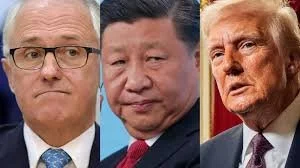
AUKUS is more than just a submarine deal—it’s Australia’s strategic investment in long-term security and technological superiority. Critics argue it undermines sovereignty, but in reality, AUKUS strengthens Australia’s defense autonomy, regional deterrence, and access to advanced military capabilities. Read our latest analysis on why AUKUS is the best path forward.

The Indo-Pacific region is set to witness another significant diplomatic engagement as the foreign ministers of Japan, the United States, Australia, and India prepare to convene in Tokyo on July 29 for the highly anticipated Quad foreign ministers' meeting. This gathering aims to address a host of pressing regional issues, reinforcing the QAUD’s commitment to maintaining stability and promoting a rules-based order in the Indo-Pacific.




Biden signs an $886 billion defense policy package into law, outlining a comprehensive strategy aimed at addressing rising challenges in the Indo-Pacific region.





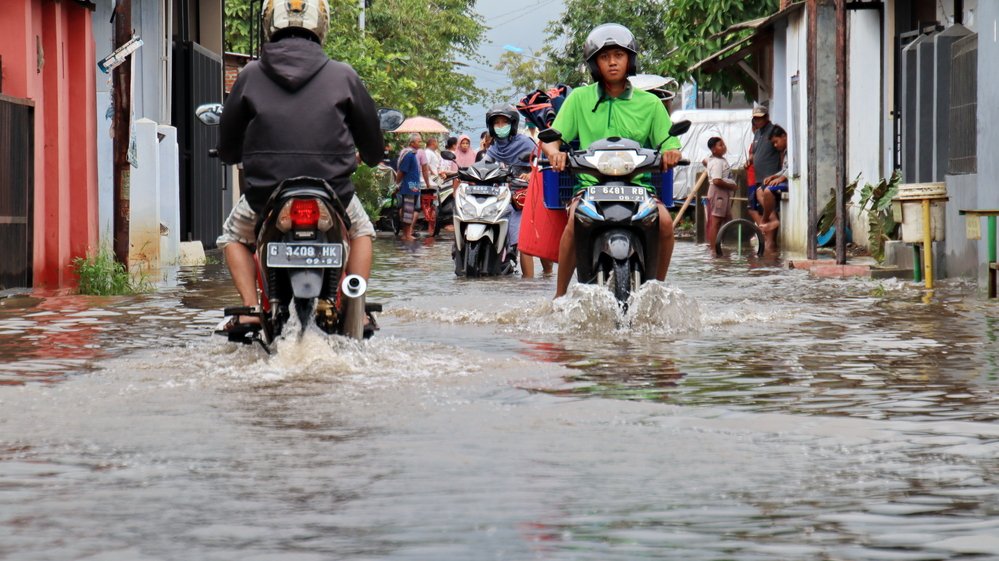
The Indo-Pacific accounts for 80% of displacements linked to climate and extreme weather events.


German Foreign Minister Annalena Baerbock and Chinese Foreign Minister Qin Gang attend a joint press conference at the Diaoyutai State Guesthouse in Beijing, China

Benny Wenda, left, and the Prime Minister of Fiji, Sitiveni Rabuka Photo: Government of Fiji

Cambodia foreign ministry spokesman rejects concerns of the US, French and German embassies about the closure of Online Khmer- and English-language outlet Voice of Democracy. (2 m read)