

Environmental
Policy Lab
Collaborative, interdisciplinary research on the environmental challenges shaping the future of the Indo-Pacific — from climate resilience and nature-based solutions to environmental security and blue economy governance.
Science-Led Policy for a Resilient Indo-Pacific
The IPSC Environmental Policy Lab is a regional platform for evidence-based research and policy development on the environmental challenges shaping the Indo-Pacific. We operate across borders and sectors, fostering partnerships between researchers, policymakers, community organisations, and international institutions.
Our work connects rigorous science with practical governance — translating research findings into actionable policy frameworks, communication strategies, and capacity-building resources for governments, civil society, and communities across the region.
Join the LabClimate Adaptation & Resilience
Environmental Security
Energy Transition
Biodiversity & Ecosystems
Sustainable Urban Development
Blue Economy & Marine Policy
Community-Based Governance
Climate Diplomacy
From Research to Policy Impact
The Lab's work spans four interconnected functions — each designed to maximise the policy and community impact of environmental research.
Applied Research
Community-driven environmental research projects in partnership with local organisations, international platforms, and field scientists — connecting community priorities with scientific expertise.
Policy Framework Development
Translating scientific evidence into practical policy instruments — watershed protection plans, adaptation frameworks, blue economy governance guidelines, and regulatory recommendations.
Science Communication
Public-facing campaigns, educational resources, and community engagement strategies that foster environmental literacy and empower local stewardship across the Indo-Pacific.
Knowledge Transfer
Adapting lessons from global case studies — including international collaborations — into policy guidance relevant to Indo-Pacific environmental challenges and governance contexts.
Scholarly Output
Peer-reviewed publications, policy briefs, and working papers contributing to global environmental governance, climate resilience, and nature-based solutions literature.
Capacity Building
Training, workshops, and mentoring for emerging researchers, policy analysts, and community leaders building environmental governance capability across the region.
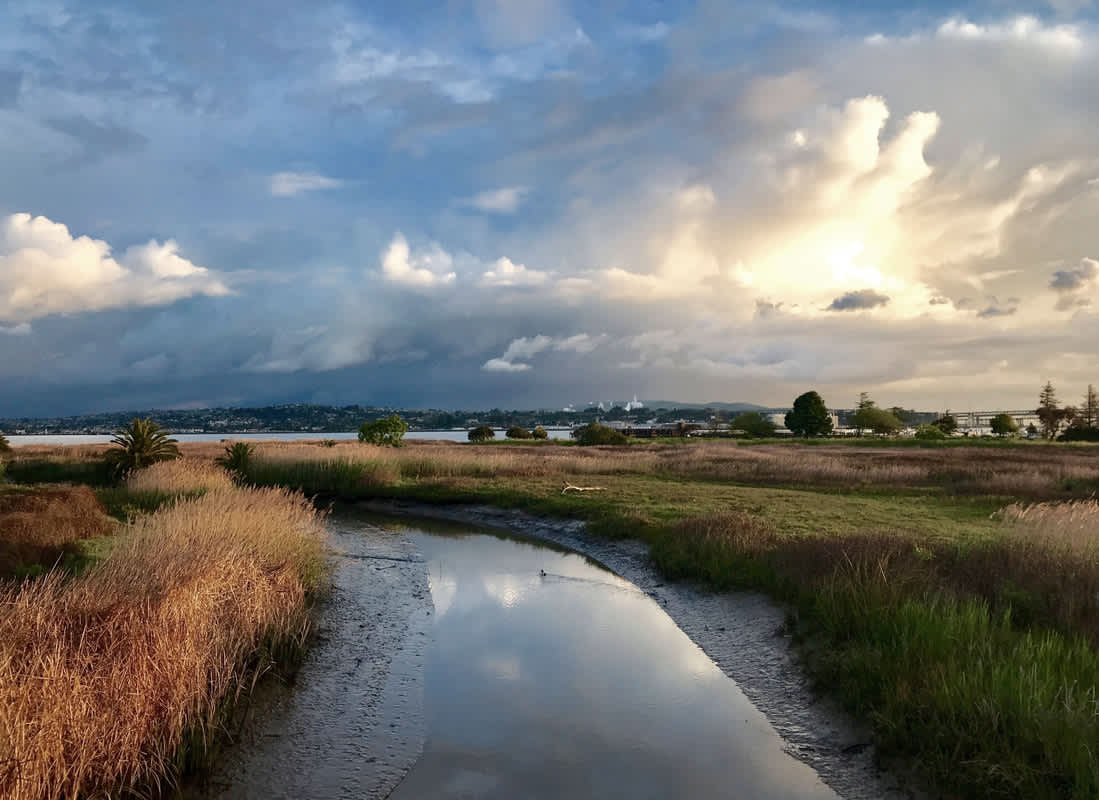
Healthy Watershed, Healthy Martinez
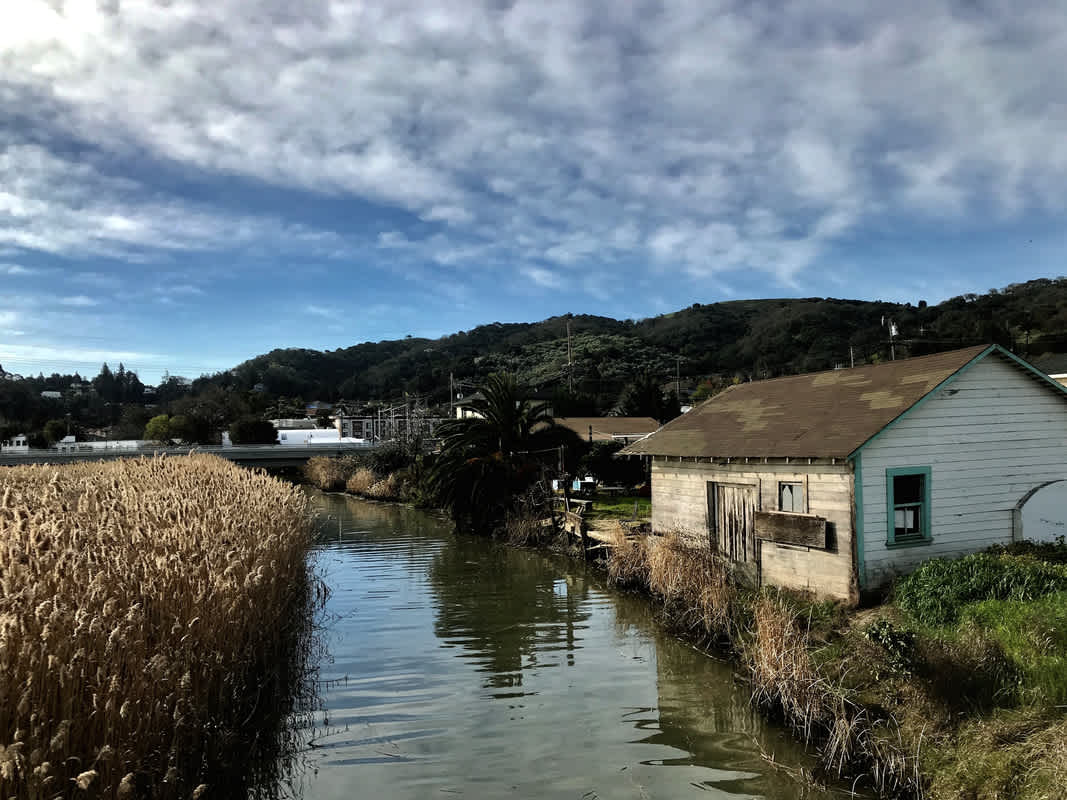
Evaluating Nature-based Solutions for Watershed Climate Resilience
Alhambra Creek Watershed, Martinez, Contra Costa County, California — in partnership with Thriving Earth Exchange (AGU)
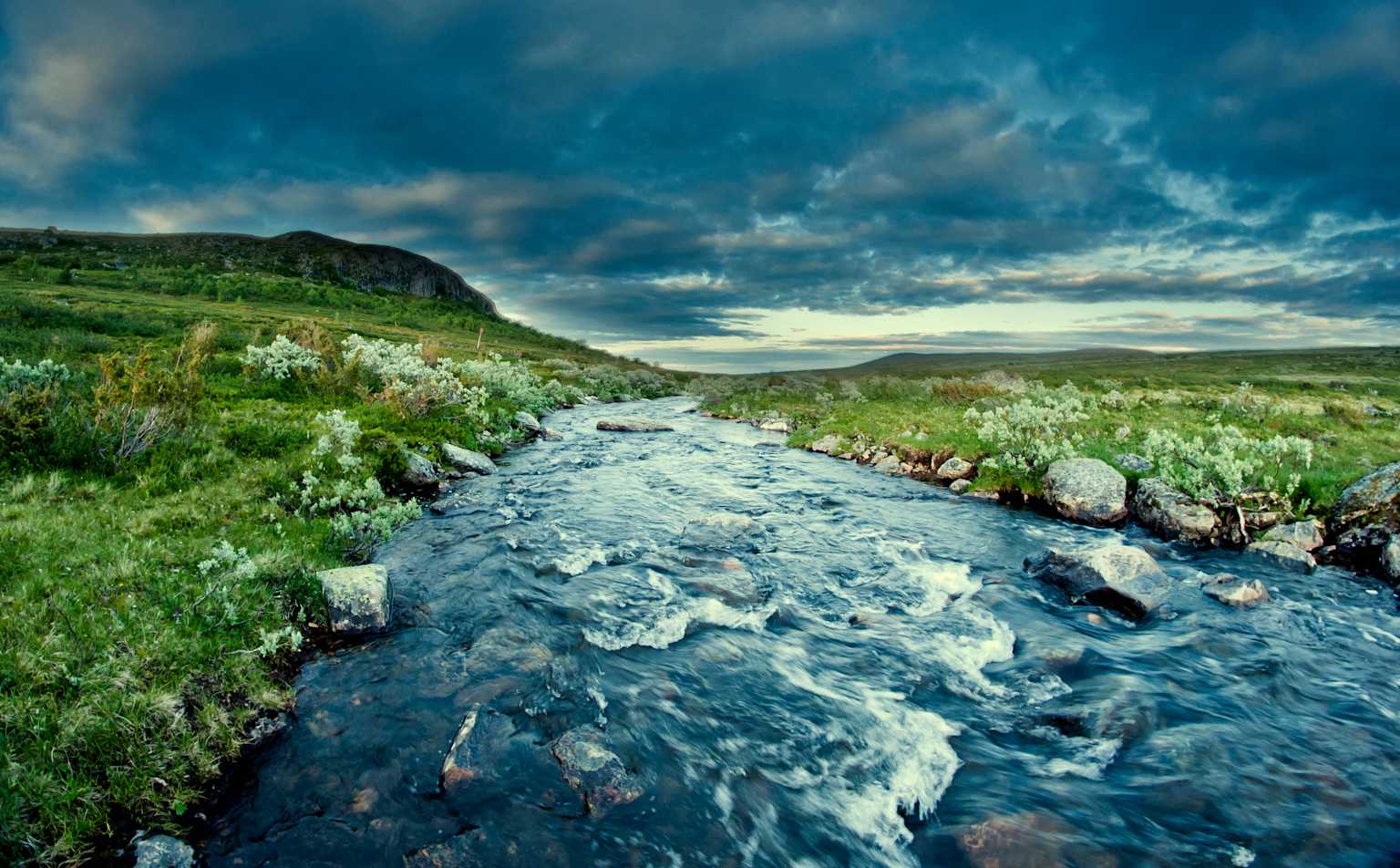
Martinez, California
Martinez (pop. 37,287) sits on the Carquinez Strait at the mouth of the Sacramento and San Joaquin Rivers in the San Francisco Bay Area — serving as the county seat of Contra Costa County. A densely built historic downtown gives way to suburban development moving south, with scenic preserved wildlands to the west.
Much of the city lies within the Alhambra Creek Watershed, at the top of which sits the John Muir National Historic Site — a major source of local pride honouring the celebrated naturalist. At the bottom of the watershed, a centre of petroleum refining and related industries shapes the local economy and raises ongoing watershed and marine health concerns.
37,287
Population
East Bay
SF Bay Area Region
1997
AWC Established
Urban Stream Syndrome & Watershed Degradation
This project evolved from concern among Alhambra Watershed Council (AWC) and Friends of Alhambra Creek (FOAC) members about the declining health of the Alhambra Creek Watershed driven by urbanisation, increased runoff, and inadequate stormwater infrastructure.
-
Increased Stormwater Runoff
Impervious surfaces accelerate runoff volumes and peak flows overwhelming the creek's natural capacity.
-
Erosion & Sediment Disruption
Hillslope gullying and streambank erosion degrade aquatic habitat and channel stability.
-
Flooding & Property Damage
Undersized culverts and channelised flows expose Martinez communities to recurring flood risk.
-
Ecological Loss
Degraded water quality and loss of riparian vegetation threaten watershed biodiversity.
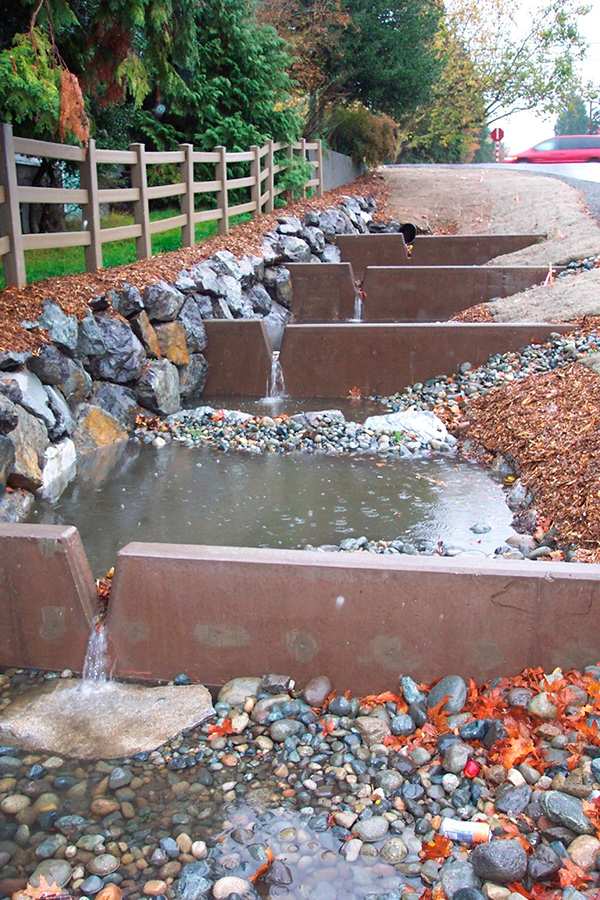
Two Deliverables, One Watershed Vision
Two scientifically grounded outputs providing the evidence base and spatial intelligence for community-led restoration.
Compiled Watershed Data
A comprehensive dataset from trained citizen scientists and existing studies — including infrastructure mapping, sediment sampling, streambank erosion assessment, and hillslope gullying analysis.
Spatial NbS Prioritisation Plan
An evidence-informed spatial analysis identifying and prioritising effective NbS project sites for maximum beneficial impact — supporting grant applications to the City of Martinez, Contra Costa County, and the Flood Control District.
Milestones & Deliverables
Nov 2025 – Jan 2026 Complete
Scope Finalisation & Project Publication
Project scope confirmed; project webpage published on Thriving Earth Exchange website.
Jan – Mar 2026 Underway
Scientist Recruitment & Onboarding
Recruit, interview, and select a hydrology or fluvial geomorphology expert; onboard to project team.
Spring – Summer 2026
Data Collection — Runoff, Erosion & Sediment
Trained citizen scientists compile and collect field data on runoff, erosion, sediment, and infrastructure conditions across the watershed.
Summer – Fall 2026
Spatial Watershed Analysis
Create a spatial analysis of the watershed, identifying key site factors for nature-based solutions using collected and existing data.
Fall – Winter 2026
NbS Site Identification & Prioritisation
Identify and prioritise specific sites for NbS implementation, ranked by maximum beneficial impact and community restoration priorities.
End of Project
Results Shared with Stakeholders & Local Officials
Project artifacts and results shared via TEX blog and directly with local officials — City of Martinez, Contra Costa County, and the Contra Costa County Flood Control District — to inform future planning.
Nature-Based Solutions Under Evaluation
Six intervention types are evaluated for their potential to reduce runoff, trap sediment, restore habitat, and build climate resilience — each generating co-benefits for people and ecosystems.
Green Stormwater Infrastructure
Rain gardens, bioswales, and permeable surfaces absorbing and slowing urban runoff to reduce peak flows.
Soil Bioengineering
Live willow stakes and dead organic materials reinforcing eroding creek banks through plant growth.
Gully Stuffing
Filling hillslope gullies with organic debris and rock to intercept sediment and restore vegetation.
Stream & Channel Restoration
Recovering natural channel form and floodplain connectivity to reduce erosive flow energy.
Constructed Wetlands
Engineered wetland systems filtering sediment, attenuating floods, and providing native wildlife habitat.
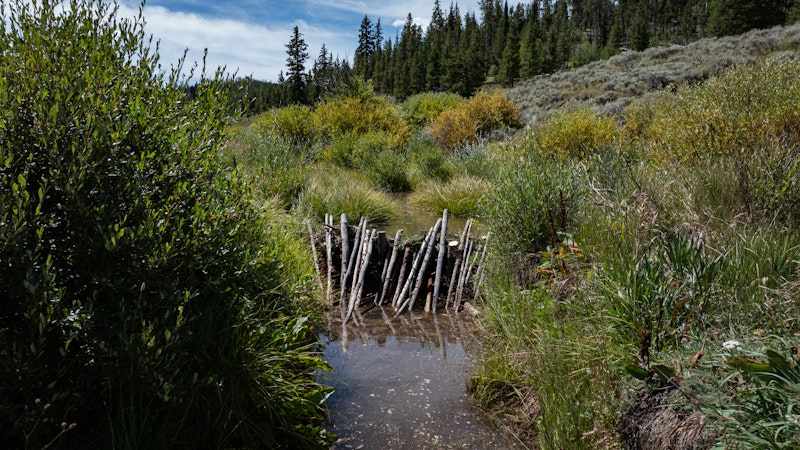
Beaver Dam Analogs (BDAs)
Low-cost structures mimicking beaver dams to raise water tables and reconnect streams with floodplains.
Impact Beyond the Creek
NbS projects generate wide-ranging benefits — from community flood protection and groundwater recharge to Indo-Pacific policy knowledge transfer.
Groundwater Recharge
Slowing runoff replenishes local aquifers and improves long-term water security.
Wildlife Habitat
Restored riparian zones provide refuge and breeding grounds for native species.
Public Education
NbS sites become living demonstrations of ecological engineering and climate literacy.
Flood Risk Reduction
Attenuating peak flows protects downstream Martinez properties from recurring damage.
Policy & Grant Support
Scientific underpinning for municipal planning and competitive restoration funding.
Indo-Pacific Knowledge
IPSC EPL translates NbS learnings into policy guidance for regional watersheds.
Community Science
Empowers local residents as active environmental stewards with replicable methods.
Climate Resilience
Systemic watershed improvements reduce vulnerability to intensifying climate-driven storms.
Researchers & Collaborators
Community Leads
Suzy Hall-Whitney
Community Lead · AWC / FOAC
Retired public school teacher and long-time Martinez resident. Active member of AWC, FOAC, and the California Native Plant Society. Volunteers at International Bird Rescue and maintains native plant gardens throughout Martinez.
Evan Green
Community Lead · CCRCD
Watershed Conservation Coordinator, Contra Costa Resource Conservation District. Supports AWC and FOAC in improving Alhambra Creek Watershed health. Experience in ecological restoration, environmental education, and California native plant horticulture.
Collaborator
Igor Skaredoff
Collaborator · AWC / FOAC / CCRCD
Long-time AWC and FOAC member and co-author of the User's Guide to the Alhambra Creek Watershed Management Plan. Retired Contra Costa County Hazmat Commissioner; Board President, Contra Costa Resource Conservation District. BS Chemistry, BA Russian — San Jose State University.
Community Scientists
Prof. Pradeep Nair
EPL Senior Fellow & Project Lead · IPSC / HPCU / Columbia
PhD, FRAS, FRGS | Senior Professor & Director Research, Central University of Himachal Pradesh. Senior Research Fellow, Earth System Governance Project, Uppsala University. Expert, Sabin Center for Climate Change Law, Columbia University. UNESCO IPL Expert. Focused on watershed protection and restoration policy.
Pamela Eyre Victoria Lira
Community Scientist · GIS & Geovisualization
First Filipina Erasmus Mundus scholar, Copernicus Masters in Digital Earth (Geovisualization & Geocommunication), University of Salzburg. Licensed Professional Geologist. Storytelling Lead, Youth Strike 4 Climate Philippines; Project Director, Sponge City for SEA.
Community Science Fellow
Waverly Lau
Community Science Fellow
Environmental science professional with experience in program coordination, community engagement, and science communication. Focused on supporting adapting communities and creating accessible, sustainable spaces at the intersection of people and environment.
Hugh Tuckfield
IPSC Director
Indo-Pacific Studies Center | Strategic oversight of IPSC EPL collaboration and partnership development.
Collaborating Organisations
Alhambra Watershed Council
Community Partner
Established 1997 to produce the Alhambra Creek Watershed Management Plan. Mission: protect and enhance watershed health through education, community forums, and stakeholder representation.
Friends of Alhambra Creek
Community Partner
Volunteer group connecting people and Alhambra Creek to protect creek health. Goals: preserve natural habitat, prevent erosion and flooding damage, and educate the public about the creek ecosystem.
Contra Costa Resource Conservation District
Partner Organisation
Facilitates conservation and stewardship of natural resources in Contra Costa County. Programs include watershed conservation, wildfire resilience, habitat restoration, and environmental education across the Bay Area.
Thriving Earth Exchange
Lead Platform · AGU
American Geophysical Union (AGU) science-community partnership facilitator — connecting community priorities with scientific expertise across the United States.
Join the Collaboration
Open to Researchers
The IPSC EPL welcomes researchers, policy analysts, and practitioners with interest in NbS, watershed management, and climate adaptation policy.
Get in TouchPartner With Us on Environmental Research & Policy
Whether you are a researcher, policy practitioner, local government, or community organisation — the IPSC EPL welcomes collaboration on nature-based solutions, watershed governance, and climate resilience across the Indo-Pacific.